Dating Psychology • Relationship Science
Attachment Styles in Introvert Dating: What You Should Know
Learn how attachment styles influence introvert dating patterns and how to build healthier emotional connections.
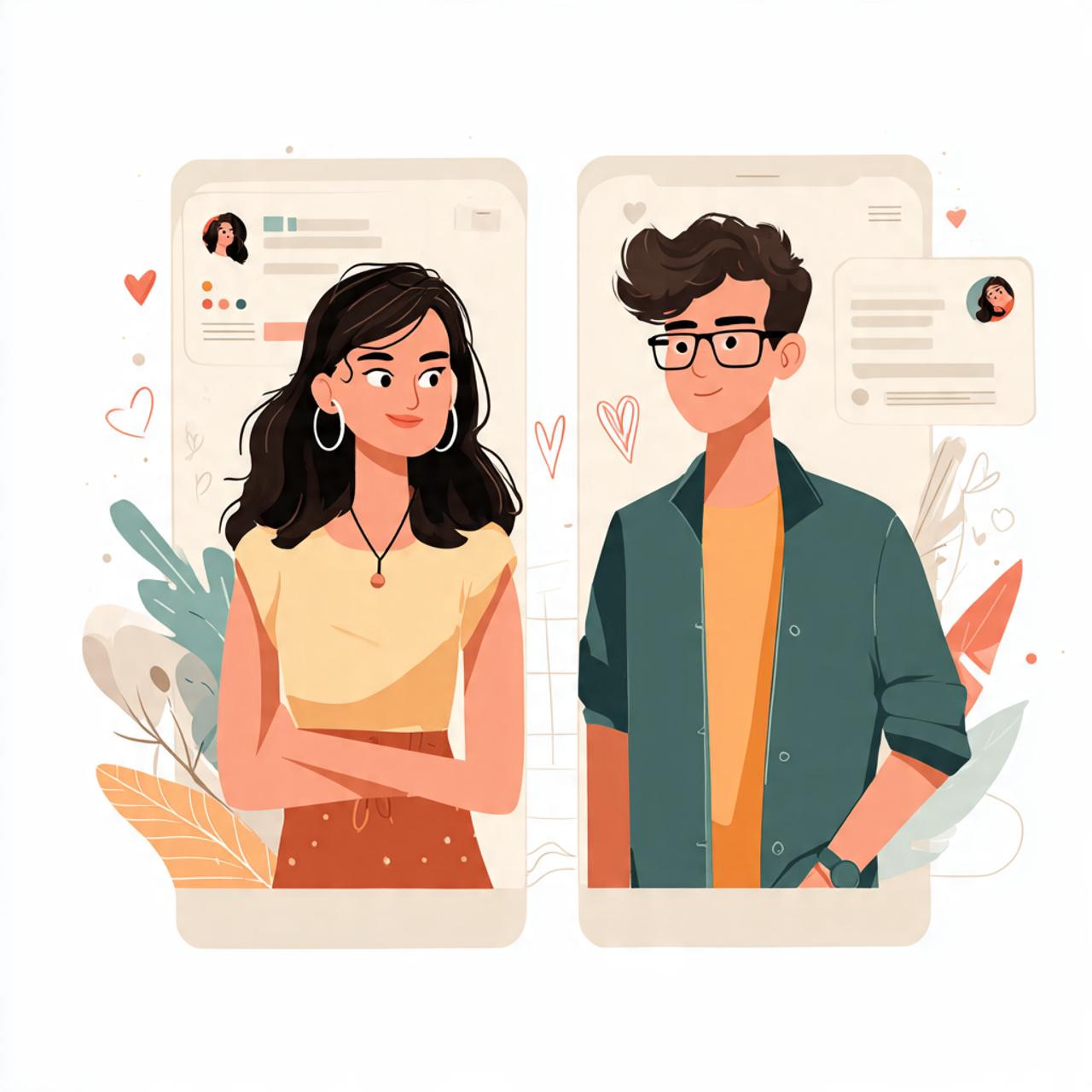
Understanding attachment styles introvert dating patterns can explain why some relationships feel deeply fulfilling while others leave you emotionally drained. If you're an introvert navigating the dating world, you've probably noticed that your need for solitude sometimes conflicts with a partner's desire for closeness—or perhaps you've found yourself in patterns of anxiety or avoidance that seem to repeat across relationships.
Here's the crucial distinction most dating advice gets wrong: attachment style is about emotional bonding, while introversion is about social energy. They interact constantly, but they are fundamentally different parts of who you are. An introvert can be securely attached, anxiously attached, or avoidantly attached—just like an extrovert. The difference lies in how these attachment patterns express themselves through an introverted lens.
Introversion vs Attachment: Understanding the Core Difference
Before diving into specific attachment patterns, it's essential to understand what we're actually talking about. Relationship psychology introvertsis a nuanced field because it sits at the intersection of personality and attachment theory.
- Introversion: A personality trait describing how you gain and spend social energy. Introverts recharge through solitude and may find extended social interaction draining, regardless of how much they enjoy it.
- Attachment style: A psychological framework describing how you seek closeness, emotional security, and connection in relationships. It's shaped by early experiences and continues to influence adult bonding.
- Their interaction: An introvert's attachment style determines their emotional response to relationships, while their introversion shapes the behavioral expression of those responses.
This distinction matters because a quiet, reserved person might actually have anxious attachment—they simply process their anxiety internally rather than expressing it outwardly. Similarly, a socially comfortable introvert might use their social skills to mask avoidant tendencies, appearing engaged while keeping partners at an emotional distance.
The Four Attachment Styles and How They Manifest in Introverts
Secure Attachment in Introverts
Secure attachment introvert dynamics represent the healthiest expression of introversion in relationships. Securely attached introverts maintain their need for alone time without triggering abandonment fears in partners, and they can communicate boundaries clearly without defensiveness.
Key characteristics include:
- Comfortable stating "I need some time alone tonight" without guilt or explanation
- Can read their partner's emotional cues accurately
- Respond to conflict with curiosity rather than shutdown or panic
- Maintain emotional availability even when physically apart
- Choose partners who respect their pace without taking it personally
Anxious Attachment in Introverts
Introvert anxious attachment often flies under the radar because it doesn't look like the stereotypical "clingy" partner. Instead, anxious introverts may:
- Overthink every text message, analyzing timing, word choice, and emoji usage
- Experience intense emotional spikes when partners don't respond quickly
- Fear expressing needs directly, leading to silent resentment
- Use alone time to spiral into worst-case scenarios about the relationship
- Feel relieved when given space but anxious about what the space "means"
The internal experience is intense anxiety, but the external presentation remains quiet and controlled. This makes it harder for partners to recognize and address the attachment pattern.
Avoidant Attachment in Introverts
Avoidant introvert dating patterns can be particularly challenging to identify because introversion naturally includes a desire for alone time. The difference lies in motivation:
- Healthy introversion: "I need time alone to recharge, and I look forward to reconnecting"
- Avoidant attachment: "I need space to maintain control and prevent dependency"
Avoidant introverts often:
- Pull away precisely when relationships start feeling close or vulnerable
- Struggle to name or share emotions, defaulting to logical analysis
- View their independence as threatened by emotional intimacy
- May appear calm during conflict but are internally disconnected
- Use their need for solitude as a shield against vulnerability
Fearful-Avoidant (Disorganized) Attachment in Introverts
Some introverts experience a push-pull pattern where they desperately want closeness but feel terrified by it. This fearful-avoidant introvert dynamic creates:
- Intense attraction to partners, followed by sudden withdrawal
- Difficulty trusting that love can be consistent
- Alternating between anxious and avoidant behaviors
- Deep fear of both abandonment and engulfment
- Confusion about what they actually want in relationships
How Attachment Styles Play Out in Real Dating Scenarios
The Text Message Dance
For introverts with anxious attachment, the period between text messages can feel like an emotional roller coaster. A partner who takes four hours to respond might trigger thoughts like "They're losing interest" or "Did I say something wrong?" The quiet time that an introvert normally enjoys becomes filled with anxious rumination.
Avoidant introverts, meanwhile, might genuinely need hours to respond because they're recharging—but they may also unconsciously delay responses to maintain emotional distance. The key difference is whether the response pattern stems from natural introversion or attachment-driven avoidance.
The First Few Dates
Early dating is particularly revealing of attachment patterns. Securely attached introverts can enjoy dates, then genuinely enjoy their alone time afterward without anxiety. They don't immediately text afterward seeking reassurance, nor do they feel suffocated by a partner's follow-up message.
Anxiously attached introverts might spend the day after a great date analyzing every moment, waiting anxiously for a text, and feeling a drop in mood until contact is reestablished. Avoidant introverts might have a wonderful date but then feel an inexplicable urge to pull back, perhaps waiting longer than necessary to suggest a second meeting.
Conflict and Repair
How introverts handle disagreement reveals their attachment style clearly. Anxious introverts may fear that conflict means the relationship is ending, leading them to either avoid disagreement entirely or over-explain themselves to prevent perceived rejection.
Avoidant introverts often withdraw during conflict, needing space to process—but unlike healthy introverted processing, this withdrawal may extend indefinitely without repair attempts. They might return to conversation acting as if nothing happened, leaving partners confused about whether the issue was resolved.
8 Science-Backed Practices to Build Healthier Attachment in Dating
Whether you're anxious, avoidant, or working toward security, these practices can help you build healthier relationship patterns while honoring your introverted nature:
- Name your communication rhythm early. Within the first few dates, gently explain your typical texting and communication patterns. "I love deep conversation, but I also need time to myself to recharge. When I'm quiet, it's usually just me re-energizing, not a sign that something's wrong."
- Schedule weekly emotional check-ins. For introverts, emotional conversations can feel intense. Having a predictable time to discuss the relationship (like a Sunday evening check-in) makes vulnerability feel safer and more structured.
- Notice your triggers before they escalate. What situations reliably activate your attachment system? Late-night texts? Silence after a vulnerable moment? Identify your triggers and prepare responses in advance.
- Replace mind-reading with direct clarification. Instead of assuming you know what your partner's quiet mood means, ask gently. "You seem quiet tonight—are you recharging, or is something on your mind?" This honors both your introversion and your attachment needs.
- Focus on consistency over intensity. Anxious attachment often mistakes intensity for intimacy. Look for partners who show up reliably rather than those who create emotional fireworks. Consistency builds security.
- Practice graduated vulnerability. If sharing emotions feels terrifying, start small. Share a minor feeling, notice how your partner responds, and gradually increase vulnerability as trust builds.
- Use "I notice" statements for self-awareness. "I notice I'm feeling anxious about his response time. That's probably my attachment system activating, not necessarily a sign of real relationship danger." This creates space between feeling and reaction.
- Choose partners who respect your pace. The right partner for an introvert won't demand constant connection or take your need for space personally. They'll understand that your quiet nature isn't rejection—it's simply how you're built.
When Different Attachment Styles Date: Navigating Compatibility
What happens when an anxious introvert dates an avoidant introvert? This classic attachment dance can be particularly subtle because both partners are quiet, both need space—but for completely different reasons.
The anxious introvert needs reassurance but may be afraid to ask for it directly. The avoidant introvert needs space and may interpret their partner's quiet anxiety as peaceful compatibility. The result: the anxious partner suffers in silence while the avoidant partner remains blissfully unaware, until the anxiety eventually surfaces in confusing or painful ways.
If you're in a relationship with different attachment styles, consider:
- Openly discussing your attachment patterns (yes, actually name them)
- Creating explicit agreements about communication frequency and response times
- Recognizing that your partner's attachment-driven behavior isn't about you
- Working with a couples therapist who understands attachment theory
- Accepting that change takes time—attachment patterns develop over years and don't shift overnight
Can Introverts Change Their Attachment Style? The Science of Earned Security
Research in attachment theory suggests that while our early attachment patterns are deeply influential, they're not permanent. Many people develop "earned security" through:
- Consistent experiences with securely attached partners
- Therapeutic work that addresses early attachment wounds
- Mindfulness practices that create space between triggers and reactions
- Deliberate practice of new relationship behaviors
- Healing from past relationship trauma
For introverts, this path often involves learning to communicate attachment needs in ways that feel authentic rather than performative. It's not about becoming a different person—it's about understanding your patterns and making conscious choices rather than automatic reactions.
When Attachment Patterns Signal Deeper Work
While understanding attachment styles is valuable, some patterns indicate that professional support might be helpful. Consider working with a therapist if:
- You repeatedly choose partners who trigger your attachment system painfully
- Your attachment anxiety leads to panic attacks or depression
- Avoidance has left you isolated despite wanting connection
- Past relationship trauma affects your current dating life
- You've tried self-help approaches without meaningful change
A therapist who understands both attachment theory and introversion can provide tailored support that honors your personality while helping you build healthier relationship patterns.
Bringing It All Together: Your Attachment-Aware Dating Journey
Attachment awareness gives introverts a significant advantage in dating. When you understand your pattern—whether secure, anxious, avoidant, or fearful—you can make conscious choices rather than repeating unconscious relationship cycles.
The goal isn't to become a different kind of person or to eliminate your need for solitude. It's to understand how your attachment system works so you can:
- Choose partners who are capable of secure connection
- Set boundaries that protect both your introversion and your relationship
- Communicate needs before they become resentments
- Recognize when your attachment system is triggered versus when there's a real relationship issue
- Build connection that feels both deep and sustainable
Remember: your introversion is a gift in relationships. It allows for depth, thoughtfulness, and genuine connection. When paired with attachment awareness, it becomes a powerful foundation for the kind of love that lasts—the kind where you can be fully yourself, solitude needs and all, while building secure, satisfying partnership.
Ready to put this into practice? PairOrbit helps introverts find partners who understand and respect their attachment needs. Our matching algorithm considers both personality and relationship patterns to create lasting compatibility.
Frequently Asked Questions
How do attachment styles affect introvert dating?
Attachment styles affect how introverts handle closeness, conflict, communication pace, and emotional safety in dating. An introvert's attachment pattern determines their comfort with vulnerability, response to relationship stressors, and ability to maintain long-term connection while honoring their need for solitude.
Can introverts have anxious or avoidant attachment?
Yes. Introverts can have anxious, avoidant, or secure attachment patterns. Introversion is a personality style related to social energy, while attachment style describes emotional bonding behavior. An introvert may appear calm externally but experience internal attachment anxiety, or use their alone time to avoid emotional closeness.
How can introverts build secure attachment in relationships?
Introverts can build secure attachment through clear communication about their need for alone time, consistent but flexible boundaries, regular emotional check-ins, and choosing partners who respect their pace and depth. Working with a therapist and practicing self-awareness around attachment triggers also helps develop security.
What does anxious attachment look like in an introvert?
Anxious attachment in introverts often manifests as overthinking text message responses, fear of rejection despite appearing calm, difficulty asking for reassurance directly, emotional spiraling during alone time, and analyzing small changes in a partner's behavior. The internal experience is intense anxiety while the external presentation remains quiet.
How do avoidant introverts behave in relationships?
Avoidant introverts typically value their independence highly, may pull away when relationships become too intimate, struggle to express vulnerable emotions, use alone time as a shield against closeness, and might disappear emotionally during conflict. They often fear that depending on someone means losing their autonomy.
Can two introverts with different attachment styles work?
Yes, two introverts with different attachment styles can build a healthy relationship with awareness and effort. The key is understanding each other's attachment triggers, communicating needs clearly, and finding a middle ground between the anxious partner's need for reassurance and the avoidant partner's need for space. Professional support can help bridge attachment style differences.
Deepen Your Understanding
Continue your journey with these related guides on introvert dating and relationship psychology.
Liked this article? Subscribe to our newsletter for weekly insights on introvert dating and relationship psychology.